Indoor playgrounds are now an important part of shopping malls, daycare centers, family entertainment centers, kids activity rooms, and commercial leisure venues. They give children a place to move, climb, slide, explore, and interact with others in a controlled indoor environment.
However, a successful indoor playground should not be judged only by appearance. For operators and investors, safety, durability, material quality, compliance support, and long-term maintenance are all critical. Choosing certified indoor playground equipment can help reduce operational risk, build parent trust, and support a more reliable commercial play space.
This guide explains what certified equipment means, why it matters, and how operators can make better decisions when planning a safer and more durable indoor playground.
1. Why Certified Equipment Matters for Indoor Playgrounds
Certified playground equipment refers to play structures and components that are designed, tested, or documented according to relevant safety and quality requirements. Depending on the target market and project type, documentation may involve standards or certification systems such as CE, TÜV, SGS, ISO, EN1176, ASTM-related requirements, CPC, or other regional compliance needs.
For indoor playground operators, certification and compliance support are not just technical details. They affect safety management, customer confidence, insurance communication, project approval, and long-term business reputation.
A professionally planned indoor playground equipment project should consider certification and safety requirements from the beginning, not after production or installation is already complete.
2. Meeting Safety Standards
Safety is the most important reason to choose certified or compliance-supported equipment. Indoor playground accidents can happen when structures are poorly designed, materials are weak, spacing is improper, or safety surfaces are not planned correctly.
Certified equipment helps operators reduce these risks by following stricter design and material principles.
Material Strength
Indoor playground equipment must handle frequent use, repeated impact, climbing, sliding, jumping, and pulling. Materials should be selected for strength, stability, and long-term performance.
Common commercial materials may include steel structures, HDPE panels, commercial-grade plastics, safety netting, foam padding, PVC covers, and other durable components. These materials help the playground withstand daily use while maintaining safety and appearance.
Safe Surface Finishes
Children touch, climb, slide, and crawl through the play structure constantly, so surface quality matters. Certified equipment should avoid sharp edges, rough surfaces, toxic materials, and unsafe finishes.
Smooth surfaces, rounded edges, padded contact areas, and non-toxic material selection all help reduce scratches, cuts, and unnecessary injury risk.
Proper Spacing and Anti-Entrapment Design
Spacing between platforms, barriers, climbing elements, openings, and play components should be carefully planned. Poor spacing may create entrapment risks or unsafe movement paths.
A professional layout should consider children’s body size, age group, activity direction, and supervision needs. This is especially important in multi-level indoor playground structures, where children move between platforms, slides, tunnels, and climbing routes.
Age-Appropriate Height and Difficulty
Not every structure is suitable for every age group. Toddler areas, preschool zones, and older-child challenge areas need different heights, routes, and safety protection.
For example, a toddler zone should use lower platforms, soft play elements, gentle slides, and clear visibility. Older children may need taller climbing structures, obstacle routes, or more challenging movement paths, but these areas still require proper fall protection and supervision planning.
3. Durability and Long-Term Equipment Value
Durability is another major advantage of high-quality certified indoor playground equipment. Commercial play venues are used frequently, so equipment must remain stable and attractive over time.
Low-quality equipment may look cheaper at the beginning, but it can create higher long-term costs through repairs, replacements, customer complaints, and downtime.
Benefit | Details |
Safety Compliance | Certified equipment ensures adherence to global safety standards. |
Durability | High-quality materials guarantee the equipment’s longevity. |
Minimal Maintenance | Certified equipment requires less maintenance, saving time and money. |
Materials Built for Frequent Use
Durable indoor playground equipment should use materials that can handle repeated climbing, running, sliding, and impact. Strong steel frames, quality plastic panels, reinforced padding, and stable connection systems help extend equipment life.
For operators, this means fewer interruptions and better long-term value. A playground that remains safe and visually appealing for years is more valuable than equipment that requires constant repair.
Easier Maintenance
Certified and well-manufactured equipment is usually easier to inspect and maintain. Components should be accessible, surfaces should be easy to clean, and damaged parts should be replaceable.
A reliable production process helps ensure better consistency in materials, structural preparation, component matching, packing, and delivery. This supports smoother installation and more manageable long-term maintenance.
4. Recognized Certifications and Compliance Support
Different countries and projects may require different safety documents or certification support. Commonly referenced systems in indoor playground or amusement equipment projects may include CE, TÜV, SGS, ISO, EN1176, ASTM-related standards, CPC, or other local requirements.
Operators should not assume that one certification applies to every country or every type of equipment. The right approach is to confirm the target market, venue type, product category, and local compliance requirements before production.
Aoleao can support customers with relevant certification and compliance-related documentation according to project needs and market requirements. This is especially important for overseas indoor playground projects, where operators may need documents for customs, local approval, insurance, or venue operation.
5. Key Features of Certified Indoor Playground Equipment
High-Quality Materials
Material quality affects both safety and durability. Certified equipment should use materials that are:
Non-toxic: Safer for children during frequent contact.
Impact-resistant: Able to handle active play and repeated use.
Easy to clean: Important for hygiene in indoor venues.
Durable: Suitable for commercial traffic and long-term operation.
Stable in color and surface quality: Helps keep the playground visually attractive.
For indoor playground operators, material selection should be based on use intensity, target age group, cleaning frequency, and maintenance ability.
Soft Landing Zones and Safety Features
Indoor playgrounds need proper impact protection. Soft landing zones, padded surfaces, safety flooring, guardrails, netting, and protective barriers all help reduce injury risk.
Common safety flooring options may include foam tiles, rubber mats, synthetic turf with cushioning, or other impact-absorbing surfaces. The best choice depends on the attraction type, user age, project budget, and local requirements.
In areas with slides, climbing towers, trampoline elements, or obstacle routes, safety surfacing should be planned carefully. These zones usually have higher movement intensity and need stronger protection.
Customizable Play Structures
Certified equipment does not mean one fixed design. For commercial projects, customization is often necessary because each venue has different space conditions, customer groups, and operating goals.
Custom indoor playground equipment can include:
Toddler soft play areas
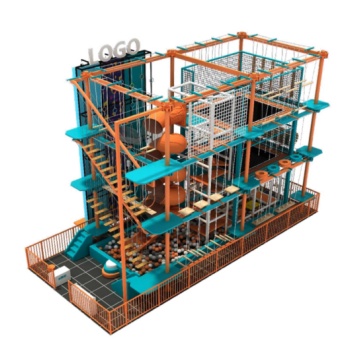
Multi-level play structures
Ball pits and slide zones
Climbing routes
Ninja or obstacle elements
Sensory play panels
Trampoline or active play zones
Themed entrances and facades
Professional 3D layout planning helps operators review how these elements fit together before production. It also helps check safety spacing, parent visibility, activity flow, and age-group zoning.
6. Certified Equipment and Business Risk Management
Choosing certified equipment is also a business decision. It can help reduce risk, improve customer trust, and support long-term operation.
Reducing Liability Risk
Indoor playground operators are responsible for creating a safer play environment. While no playground can eliminate all risk, certified equipment and proper safety planning can help reduce unnecessary hazards.
Using documented materials, safe structure design, proper padding, and regular inspection routines can also support clearer communication with parents, landlords, insurers, and local authorities.
Building Parent Trust
Parents care deeply about safety. A playground that looks clean, well-built, padded, and professionally managed can make parents more confident.
Certification and compliance support also show that the operator has taken safety seriously. This can improve customer perception and encourage repeat visits.
Improving Long-Term Business Appeal
A safer and more durable playground is easier to operate over time. It reduces unexpected repair pressure, improves user experience, and helps protect the venue’s reputation.
For FECs, shopping mall play areas, and indoor playground businesses, this long-term appeal can be more important than saving money on low-quality equipment at the beginning.
7. Is Certified Equipment Worth the Investment?
Certified or compliance-supported playground equipment may have a higher initial cost, but the long-term value is usually stronger.
Longer Lifespan
Durable equipment can serve the venue for years when properly maintained. This reduces the frequency of replacement and helps operators protect their investment.
Lower Maintenance Pressure
High-quality materials and better workmanship often mean fewer loose parts, damaged surfaces, unstable structures, or premature wear. This can reduce downtime and repair costs.
Stronger Customer Confidence
Parents are more likely to choose a venue that appears safe, clean, and professionally designed. In competitive markets, this trust can become a real business advantage.
Better Project Approval and Market Entry
For international or commercial projects, certification and documentation support may help operators prepare for local requirements, landlord review, or project approval processes.
8. Maintenance for Certified Indoor Playground Equipment
Even certified equipment needs proper maintenance. Certification supports initial safety and quality, but daily operation determines long-term performance.
Operators should create a clear maintenance schedule that includes:
Daily visual checks before opening
Weekly inspection of high-use areas
Cleaning of soft surfaces, balls, panels, and flooring
Checking fasteners, netting, padding, slides, and connectors
Replacing damaged parts promptly
Recording inspections and repairs
Training staff to report safety concerns quickly
A well-maintained playground helps protect children, reduce business risk, and preserve the venue’s professional image.
FAQ
What makes certified indoor playground equipment safer?
Certified equipment is designed or documented according to relevant safety and quality requirements. It usually includes safer materials, stable structures, proper padding, suitable spacing, and better safety planning.
Which certifications are common for indoor playground equipment?
Depending on project and market requirements, commonly referenced systems may include CE, TÜV, SGS, ISO, EN1176, ASTM-related requirements, CPC, or other local compliance documents.
Is certified equipment worth the higher upfront cost?
Yes, in most commercial projects. Although the initial cost may be higher, certified and durable equipment can reduce repair pressure, improve safety confidence, support compliance needs, and provide better long-term value.
Can certified playground equipment be customized?
Yes. Certified or compliance-supported equipment can still be customized by size, theme, color, layout, age group, material choice, and activity zones, as long as safety requirements are considered during design and production.
How should operators maintain indoor playground equipment?
Operators should clean surfaces regularly, inspect high-use parts, check padding and safety flooring, replace damaged components, record maintenance, and train staff to identify safety risks.
Safety and Investment Notes
Building a safer and more durable indoor playground requires more than selecting attractive equipment. Operators need to evaluate material quality, safety design, certification support, age-group zoning, impact protection, installation quality, and long-term maintenance.
Certified equipment can help reduce risk, improve parent trust, support market requirements, and protect the long-term value of the playground investment. The best result comes from working with a supplier that understands both safety compliance and commercial indoor playground operation.
For investors and operators planning a new indoor playground, shopping mall play area, daycare playroom, or FEC project, Aoleao can support custom equipment planning, production, delivery, and certification/compliance-related documentation according to project needs. For more commercial indoor playground solutions, visit Aoleao.


 English
 العربية
 Français
 Русский
 Español
 Português
 Deutsch
 italiano
 日本語
日本語 한국어
한국어 Nederlands
 Tiếng Việt
 ไทย
ไทย Polski
 Türkçe
 አማርኛ
አማርኛ ພາສາລາວ
 ភាសាខ្មែរ
 Bahasa Melayu
 ဗမာစာ
ဗမာစာ தமிழ்
தமிழ் Filipino
 Bahasa Indonesia
 magyar
 Română
 Čeština
 Монгол
 қазақ
қазақ Српски
 हिन्दी
 فارسی
فارسی Kiswahili
 Slovenčina
 Slovenščina
 Norsk
Norsk Svenska
 українська
 Ελληνικά
 Suomi
Suomi Հայերեն
 עברית
עברית Latine
 Dansk
Dansk اردو
اردو Shqip
Shqip বাংলা
বাংলা Hrvatski
 Afrikaans
 Gaeilge
 Eesti keel
 Māori
Māori